# Mastering Your Media: Connecting Audio Devices for Seamless Sound

# Mastering Your Media: Connecting Audio Devices for Seamless Sound

Connecting audio and media devices correctly can transform your everyday listening experience, from casual music enjoyment to semi-professional content creation. Many common frustrations stem not from faulty equipment, but from incorrect setup. Understanding the basics of audio connections empowers you to achieve optimal sound quality, avoid frustrating glitches, and ensure your devices communicate effectively. This article focuses on a frequently encountered challenge: successfully connecting various external audio sources, such as microphones, musical instruments, or older playback devices, to modern recording interfaces or computers, ensuring proper input recognition and sound capture.

Understanding Audio Connection Types and Their Purpose

Before plugging anything in, it’s crucial to distinguish between various audio cable types and their intended uses. The most common connections you’ll encounter are XLR, ¼-inch (TS/TRS), and 3.5mm (mini-jack). XLR cables, with their three pins, are ideal for professional microphones and offer balanced audio, which significantly reduces noise over long distances. ¼-inch jacks come in two main forms: TS (Tip-Sleeve) for unbalanced, mono signals like guitars, and TRS (Tip-Ring-Sleeve) for balanced mono or stereo signals, often used for headphones or line-level inputs. Lastly, the ubiquitous 3.5mm mini-jack is typically found on consumer electronics for stereo audio output, like phone headphones or connecting to a car stereo. Understanding these distinctions prevents using the wrong cable, which can lead to no sound, poor sound quality, or even potential damage to equipment.

Connecting an External Microphone or Instrument to an Audio Interface

For high-quality recordings, external microphones and instruments are usually connected to an audio interface, which acts as a bridge between your analog audio source and your digital computer. The process is straightforward. First, power on your audio interface. For a microphone, connect it using an XLR cable to one of the XLR inputs on your interface. If you’re using a condenser microphone, remember to activate “phantom power” (often labeled +48V) on your interface, as these microphones require external power. For an electric guitar or bass, use a ¼-inch TS cable plugged into a ¼-inch input, often labeled “Instrument” or “Hi-Z” (high impedance) to ensure proper signal matching. Once connected, open your recording software (DAW – Digital Audio Workstation) and select your audio interface as the input device. You’ll then need to select the specific input channel on your interface where your device is plugged in within your software. Always start with the gain (input volume) knob on your interface turned down and gradually increase it while monitoring the levels in your software to prevent clipping (distortion).

Troubleshooting Common Connection Issues

Even with the right cables, issues can arise. A common problem is “no sound.” First, double-check all physical connections; ensure cables are fully seated. If using an audio interface, confirm it’s powered on and recognized by your computer (check device manager on Windows or System Information on Mac). Verify that the correct input channel is selected in your recording software. Another frequent issue is “humming or buzzing.” This often indicates an unbalanced connection or a ground loop issue. Try using balanced cables (XLR or TRS) where possible, especially for longer runs. If the hum persists, consider using a ground loop isolator. If your sound is too quiet or distorted (“clipping”), adjust the gain knob on your interface – turn it up if it’s too quiet, or down if it’s distorting. Remember, audio inputs are sensitive; too much signal can be just as problematic as too little. Finally, always consult your device manuals for specific connection diagrams and troubleshooting tips – they are invaluable resources tailored to your exact hardware.

Protecting Your Devices and Your Privacy

When connecting various devices, a few considerations go beyond simply getting sound. Proper cable management, avoiding tangled wires, and using quality cables can extend the life of your equipment and prevent intermittent connection issues. Regarding privacy, be mindful of what you connect and record. If using a microphone for sensitive conversations, ensure recording software is closed when not explicitly in use. Always be aware of the microphone’s indicator light, if present, to confirm its status. When connecting to public systems or shared computers, always log out of any accounts and ensure no personal data or recordings are left behind. While connecting audio devices is largely about sound, a conscious approach to security and privacy extends to all aspects of your digital and audio life.

Read More

Mastering Stealth Audio: Recording Clear Sound in Challenging Environments

Mastering Stealth Audio: Recording Clear Sound in Challenging Environments

Everyday life often presents situations where capturing audio is crucial, but ideal recording conditions are rare. Whether you’re a journalist trying to get a quote in a bustling street fair, a content creator filming outdoors on a windy day, or simply trying to record a faint, distant sound, traditional microphones often fall short. This guide focuses on practical techniques and affordable tools to capture clear audio in noisy, windy, or otherwise acoustically difficult environments, moving beyond the simple “point and record” approach.

The Challenges of Unfavorable Acoustic Environments

Recording audio isn’t just about picking up sound; it’s about isolating the *desired* sound from unwanted noise. Common challenges include: high ambient noise (traffic, crowds, machinery), wind interference, echoes in large spaces, and sounds that are either too distant or too quiet to register clearly. These elements can render recordings unintelligible, making post-production a nightmare or even impossible. Overcoming these requires a strategic approach to equipment selection, placement, and technique.

Essential Tools and Techniques for Better Field Audio

While studio-grade equipment is out of reach for most, several accessible tools can significantly improve your recordings. A crucial starting point is an external microphone. While your smartphone or camera’s built-in mic might seem convenient, they are typically omnidirectional, meaning they pick up sound equally from all directions – great for capturing atmosphere, terrible for isolating a specific voice amidst chaos.

Directional Microphones: Your Best Friend

For most challenging environments, a directional microphone is indispensable.

  • **Shotgun Microphones:** These are highly directional, picking up sound primarily from directly in front of them while rejecting sounds from the sides and rear. They are excellent for isolating voices or specific sounds from a distance. Look for compact, battery-powered shotgun mics that can mount to a camera or be held.
  • **Lavalier (Lapel) Microphones:** These small, clip-on mics are perfect for capturing clear dialogue from a single person, even in noisy surroundings. They are worn close to the sound source (the speaker’s mouth) and bypass much of the ambient noise. Wired versions are very affordable, and wireless options offer greater freedom of movement.

Wind Protection: A Non-Negotiable

Wind noise is a classic destroyer of outdoor audio. Even a gentle breeze can create a deafening rumble through a microphone.

  • **Foam Windscreens:** These are the most basic and common type, offering moderate protection against light wind, best used indoors or in very calm outdoor conditions.
  • **”Dead Cats” or “Wind Jammers”:** These furry covers are incredibly effective at diffusing wind before it hits the microphone capsule. They are a must-have for any outdoor recording. The longer fibers create a still air buffer around the mic, drastically reducing wind interference.
  • **Blimps/Zeppelins:** For more extreme wind conditions, professional setups use blimps, which entirely enclose the microphone in a rigid, acoustically transparent cage, often combined with a dead cat. While more expensive, they offer superior protection.

Strategic Placement and Monitoring

Even with the right equipment, poor placement can ruin a recording.

  • **Get Close:** The most fundamental rule of good audio is to get the microphone as close as possible to your sound source. This dramatically increases the signal-to-noise ratio, making the desired sound louder relative to background noise.
  • **Angle Carefully:** With directional mics, experiment with angles to aim directly at your subject while minimizing direct exposure to major noise sources.
  • **Monitor Constantly:** Always use headphones to monitor your audio during recording. This is your only chance to identify wind noise, clipping (distortion from too-loud sounds), or interference in real time, allowing you to make adjustments before it’s too late. Portable digital recorders often have headphone jacks, and smartphone adapters are available.

Privacy, Ethics, and Data Management

When recording in public or semi-professional settings, it’s vital to consider the ethical and legal implications. In many jurisdictions, recording conversations without the consent of all parties can be illegal (two-party consent laws). Even where legal, it’s generally good practice to inform individuals they are being recorded, especially for broadcast or public use. Be mindful of personal privacy and sensitive information. From a data management perspective, always back up your recordings immediately, especially unrepeatable events. Use descriptive file names and store them securely to prevent loss or unauthorized access, crucial for any media creator or journalist handling potentially sensitive material.

Read More

Mastering Discreet Audio: Recording in Challenging Environments

Mastering Discreet Audio: Recording in Challenging Environments

Capturing clear audio isn’t always as simple as hitting “record.” Whether you’re a journalist trying to get a quote in a bustling crowd, a content creator aiming for immersive field sounds, or a hobbyist documenting nature, recording in noisy or unpredictable environments presents unique challenges. This guide focuses on practical strategies and equipment choices to achieve usable audio when perfect conditions are a luxury, not a given.

Understanding the Foe: Environmental Noise

Environmental noise is any unwanted sound interfering with your desired audio. It can be constant, like traffic hum or air conditioning, or intermittent, like sudden conversations, slamming doors, or passing vehicles. The key to effective recording in these situations is to minimize the amount of unwanted sound that reaches your microphone and to capture your subject’s audio as cleanly as possible. This isn’t just about volume; it’s about clarity and intelligibility. Ignoring these factors leads to recordings that are muddy, distracting, and often unusable, requiring extensive (and sometimes impossible) post-production cleanup.

Before you even press record, take a moment to “listen” to your environment. Identify the types of noise present. Is it low-frequency rumble, mid-range chatter, or high-pitched whines? This assessment helps inform your equipment choices and recording techniques. For instance, a microphone excellent for a quiet studio might be a liability in a noisy street, picking up everything indiscriminately.

Strategic Microphone Selection and Placement

The microphone is your primary tool, and selecting the right type, along with careful placement, is crucial. For challenging environments, directional microphones are often your best friend. These microphones are designed to pick up sound predominantly from a specific direction, rejecting sounds from the sides and rear. Popular types include:

  • **Shotgun Microphones:** Excellent for isolating sound directly in front of them, even at a distance. They are often used for film and video production to capture dialogue from actors without picking up the camera crew or surrounding noise.
  • **Cardioid/Hypercardioid Microphones:** These have a heart-shaped pickup pattern, focusing on sounds directly in front while reducing sounds from the sides and rear. They are versatile for interviews or individual voices.

Beyond microphone type, placement is paramount. Get the microphone as close to your sound source as physically and aesthetically possible. Every inch closer to your subject translates to a significant reduction in the relative volume of background noise. If using a lavalier (lapel) microphone, ensure it’s properly clipped and not rubbing against clothing. For handheld or camera-mounted microphones, direct it precisely at your subject. Using a “dead cat” or foam windscreen is essential outdoors or in windy conditions, as wind noise can completely ruin a recording, sounding like harsh static.

Utilizing On-Device Features and Accessories

Many modern audio recorders and even some smartphones offer features that can significantly improve your results in noisy environments. Look for:

  • **Low-Cut Filters (High-Pass Filters):** These reduce low-frequency rumbling sounds like traffic, HVAC systems, or wind. Activating this feature *before* recording is almost always beneficial in uncontrolled environments.
  • **Limiters/Compressors:** While best used subtly, a limiter can prevent sudden loud noises from “clipping” or distorting your audio. A compressor can help even out volume differences, making dialogue more consistent.
  • **External Recorders:** For serious work, dedicated portable audio recorders (like those from Zoom or Tascam) offer superior preamps, better battery life, and more advanced features than typical smartphone recording apps. They also allow you to connect professional microphones.
  • **Headphones:** Always monitor your audio with quality headphones while recording. This is the only way to immediately detect unwanted noise, distortion, or microphone issues. Don’t rely solely on visual meters.

Regarding privacy and ethics, always inform individuals you are recording, especially when capturing conversations or interviews. In many jurisdictions, recording without consent can have legal ramifications. Even where legal, it’s generally considered ethical to be transparent. For public environments, while passive recording might be permissible, actively focusing on and capturing specific individuals without their knowledge can raise privacy concerns. Be mindful and considerate.

Post-Production: Cleaning Up and Enhancing

Despite your best efforts, some unwanted noise might inevitably seep into your recordings. Modern audio editing software (Audacity, Adobe Audition, DaVinci Resolve’s Fairlight, etc.) offers powerful tools for noise reduction. However, remember that “fixing it in post” is always less ideal than getting it right at the source. Extensive noise reduction can make audio sound unnatural or “processed.”

Common post-production techniques include:

  • **Noise Reduction:** Many software tools can “learn” the unique frequency profile of a background hum or steady noise and then reduce it across the entire track.
  • **EQ (Equalization):** You can use EQ to selectively boost or cut specific frequencies to enhance clarity or reduce unpleasant tones.
  • **Compression:** Further fine-tune dynamic range to make voices more consistent and sit better in a mix.

Ultimately, achieving clean audio in challenging environments is a blend of preparation, informed equipment choices, skillful technique, and a touch of post-production finesse. By focusing on minimizing unwanted sounds at the source, you dramatically improve the quality and utility of your recordings, transforming previously unusable audio into clear, impactful sound.

Read More

Mastering Your Audio Sanctuary: A Common-Sense Guide to Connecting Modern Media Devices

Mastering Your Audio Sanctuary: A Common-Sense Guide to Connecting Modern Media Devices

In our increasingly connected lives, the humble task of getting audio from one device to another can sometimes feel like a bewildering puzzle, especially when dealing with various types of cables, ports, and wireless technologies. Whether you’re setting up a new soundbar for your TV, connecting a microphone to your computer for a podcast, or simply trying to get your phone to play music through an older speaker system, understanding the basics of audio connectivity is crucial. This guide focuses on a common real-world problem: ensuring all your media devices are correctly connected to achieve the best possible sound quality and avoid frustrating compatibility issues, particularly in mixed-age setups involving older equipment and newer gadgets.

Untangling the Audio Cable Spaghetti: Common Connectors and Their Uses

The first step in connecting your devices is identifying the types of audio connectors you’ll encounter. While wireless options are increasingly popular, many devices still rely on physical cables for the best sound quality and reliability. The most common analog audio connectors include the 3.5mm jack (also known as an auxiliary or “aux” jack, often found on headphones, phones, and computers), and RCA connectors (typically red and white pairs for stereo audio, common on older TVs, stereos, and DVD players). For digital audio, you’ll frequently see HDMI (transmitting both audio and video, prevalent on TVs, gaming consoles, and soundbars), Optical (Toslink), and Coaxial Digital connectors (both offering high-quality digital audio, often used for home theater systems or soundbars).

Understanding which connector does what is key. A 3.5mm jack is simple stereo audio, great for headphones or connecting a phone to a small speaker. RCA cables also carry stereo audio but are less common on newer portable devices. Digital options like HDMI, Optical, and Coaxial shine when you need multi-channel surround sound or want to send high-fidelity audio without signal degradation. HDMI, in particular, simplifies things by carrying both audio and video on one cable, reducing clutter behind your entertainment center. Always consult your device’s manual to confirm available ports.

The Power of Proper Pairing: Matching Outputs to Inputs

The golden rule of audio connectivity is matching an “output” from one device to an “input” on another. This might sound obvious, but it’s a common stumbling block. For example, to play music from your phone (an audio output) through a speaker (an audio input), you’d typically use a 3.5mm cable. When connecting your TV’s audio (output) to a soundbar (input), you might choose an HDMI cable (specifically using an HDMI ARC port on your TV for simplified control), an Optical cable, or sometimes even RCA connectors on older models.

A frequent scenario involves connecting a modern device like a smartphone or laptop to an older stereo system that lacks Bluetooth or digital inputs. Here, an affordable 3.5mm to RCA cable is your best friend. Plug the 3.5mm end into your phone’s headphone jack and the red and white RCA plugs into the “Audio In” or “Aux In” ports of your stereo. Once connected, select the correct input on your stereo (often labeled “Aux” or “CD”) and you should hear your audio. If using a digital connection, ensure both devices support the chosen standard (e.g., HDMI ARC on both TV and soundbar) and select the corresponding input on the receiving device. Incorrect pairing of outputs to outputs or inputs to inputs will result in no sound.

Troubleshooting Common Audio Hiccups and Respecting Device Limitations

Even with the right cables and connections, you might occasionally face issues. The first and most crucial step in troubleshooting is checking the volume levels on all devices involved. Sounds simple, but often overlooked! Next, ensure the correct input source is selected on the receiving device (e.g., if you’re using HDMI 1 for your soundbar, make sure your TV is set to output audio via HDMI 1, and your soundbar is set to receive from HDMI 1). Check cables for any damage or loose connections. A frayed cable or a connector that’s not fully seated can significantly impact audio quality or prevent sound altogether.

It’s also important to acknowledge device limitations. Not every device supports every type of connection. An older TV might only have RCA outputs, meaning you can’t use an Optical cable for your soundbar unless you purchase a separate analog-to-digital audio converter. Similarly, using a simple 3.5mm cable might not provide the surround sound experience you’d get from an HDMI or Optical connection if your devices support it. While these converters can be useful bridges, they can sometimes introduce slight signal degradation or latency. When connecting to shared or public audio systems, be mindful of privacy. Ensure you’re only sharing audio you intend to, and be aware that strong signals can sometimes interfere with sensitive medical devices, though this is rare with standard audio connections. Always prioritize secure, direct connections over potentially unstable wireless ones for critical audio tasks.

Read More

Mastering Audio Recording in Challenging Environments: A Guide for Clear Sound

Mastering Audio Recording in Challenging Environments: A Guide for Clear Sound

Capturing clear, intelligible audio isn’t always as simple as hitting “record.” From interviews conducted in a bustling café to field recordings in windy conditions, environmental noise can quickly degrade sound quality, making voices unintelligible or masking crucial details. This guide provides practical strategies for achieving high-quality audio recordings even in acoustically challenging settings, ensuring your message comes across loud and clear.

Understanding the Enemy: Common Noise Pollutants

Before you can fight noise, you need to identify it. Common environmental audio pollutants include:

  • Reverberation: Echoes and reflections in hard, empty rooms (like conference halls or tiled bathrooms) make speech sound distant and muddy.
  • Background Chatter: Conversations, music, and general hubbub in public spaces.
  • Mechanical Noise: Air conditioners, refrigerators, computer fans, traffic outside, and even the subtle hum of electrical equipment.
  • Wind Noise: A significant challenge outdoors, often sounding like a low rumble or distortion.
  • Handling Noise: Sounds created by physically touching or moving the microphone or its cable.

Each type of noise requires a slightly different approach to minimize its impact on your recording.

Strategic Placement: The First Line of Defense

The most effective way to combat unwanted noise is to prevent it from entering your microphone in the first place. This often boils down to strategic microphone placement:

  • Get Closer to Your Subject: The “inverse square law” dictates that sound intensity decreases rapidly with distance. Positioning your microphone as close as comfortably possible to your sound source (a speaker’s mouth, an instrument) will make their voice significantly louder relative to background noise. Aim for 6-12 inches as a good starting point for speech.
  • Direct the Microphone: Most microphones are directional, meaning they pick up sound primarily from one direction. Understand your microphone’s “polar pattern” (e.g., cardioid for a heart-shaped pickup, supercardioid for a tighter focus). Point the microphone directly at your sound source and away from the main noise sources. For example, if recording a speaker in a noisy room, position the mic between the speaker and the biggest source of noise, with the mic’s “dead spot” facing the noise.
  • Utilize Natural Barriers: Walls, furniture, or even your own body can block or absorb some sound. Position your subject and microphone to maximize these natural shields. Avoid placing microphones near reflective surfaces (bare walls, windows) which can worsen reverberation. If possible, consider moving to a quieter corner of the room or moving objects around to dampen reflections.

Essential Tools and Techniques for Noise Reduction

Beyond placement, several tools and techniques can drastically improve your recordings:

  • Wind Protection (Outdoors): For outdoor recordings, a high-quality foam windscreen or, even better, a “dead cat” furry cover is indispensable. These physically diffuse wind hitting the microphone diaphragm, preventing distortion. Even a light breeze can cause significant wind noise in an unprotected microphone.
  • Microphone Type Selection: Dynamic microphones are generally less sensitive and more robust, making them good choices for loud environments or handheld use without picking up excessive background noise. Condenser microphones, while offering higher fidelity, are more sensitive and might pick up too much ambient sound in noisy settings. Experiment with what works best for your specific situation.
  • Pop Filters/Microphone Grilles (Indoors): While primarily for reducing “plosives” (harsh P and B sounds), a pop filter can also offer a small degree of protection against breath noise if placed correctly.
  • Isolate Vibrations: Use a shock mount to decouple the microphone from the stand or camera. This prevents vibrations from footsteps, handling, or bumps from traveling up the stand and into your recording. Even a soft surface to place your recorder on can help.
  • Monitor Your Audio: This is perhaps the most crucial step. Always wear headphones when recording, especially in challenging environments. Headphones allow you to hear exactly what the microphone is picking up – including unwanted noise – and make real-time adjustments to placement, gain levels, or technique. Don’t rely solely on visual meters; your ears are the ultimate judge of sound quality.

Addressing Privacy and Practical Limitations

When recording in public or semi-public spaces, always be mindful of privacy. In many jurisdictions, recording conversations without consent (even background conversations) can have legal implications. Inform participants if they are being recorded, especially for interviews or journalistic purposes. Practically, there will be limits to what you can achieve with basic equipment in extremely noisy environments. Sometimes, the best solution is to find a quieter location altogether, or to accept that some ambient noise is unavoidable and potentially adds to the authenticity of the recording (within reason).

By understanding common noise sources, employing smart microphone placement, and utilizing simple accessories, you can dramatically improve the clarity and quality of your audio recordings, even in the most challenging environments.

Read More

Tips to connect an HDTV to your sound system

Tips to connect an HDTV to your sound system

To provide you and your family with the perfect home entertainment system, you need to be connecting HDTV to the sound system. You should give the speakers the utmost importance and put the speakers at home on your digital entertainment. Here’s the best tips to attach HDTV to the sound system.

Read More

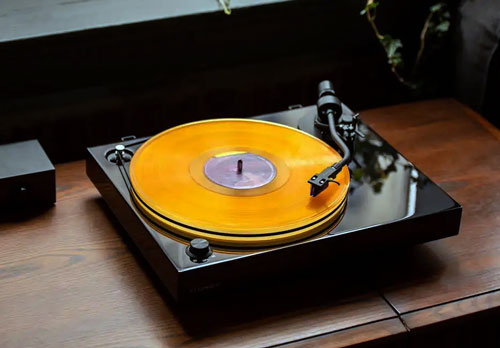
200 dollar turntable

If you’re in the market for a new turntable, and you don’t want to break the bank, there are some great 200 dollar turntable options out there. In this post, we’ll take a look at six of the best turntables in that price range.

This website and its contents are copyright The Right Brothers Film. All rights reserved.

Sign up here and we’ll let you know about updates,

new products, and other good things.

Unsubscribe anytime.